
Our History
In the 1980s, a 28-member working group, Relation Valais-Université, comprising individuals from the economic, scientific, political, and administrative spheres, began meeting weekly in Valais. Their goal was to explore how to foster academic activity in the region, similar to that flourishing elsewhere in Switzerland, without establishing a traditional university. During this period, the group encountered the work of Angelo Dalle Molle, an Italian industrial visionary and the inventor of the well-known liqueur Cynar.
A Visionary Encounter
A Visionary Encounter
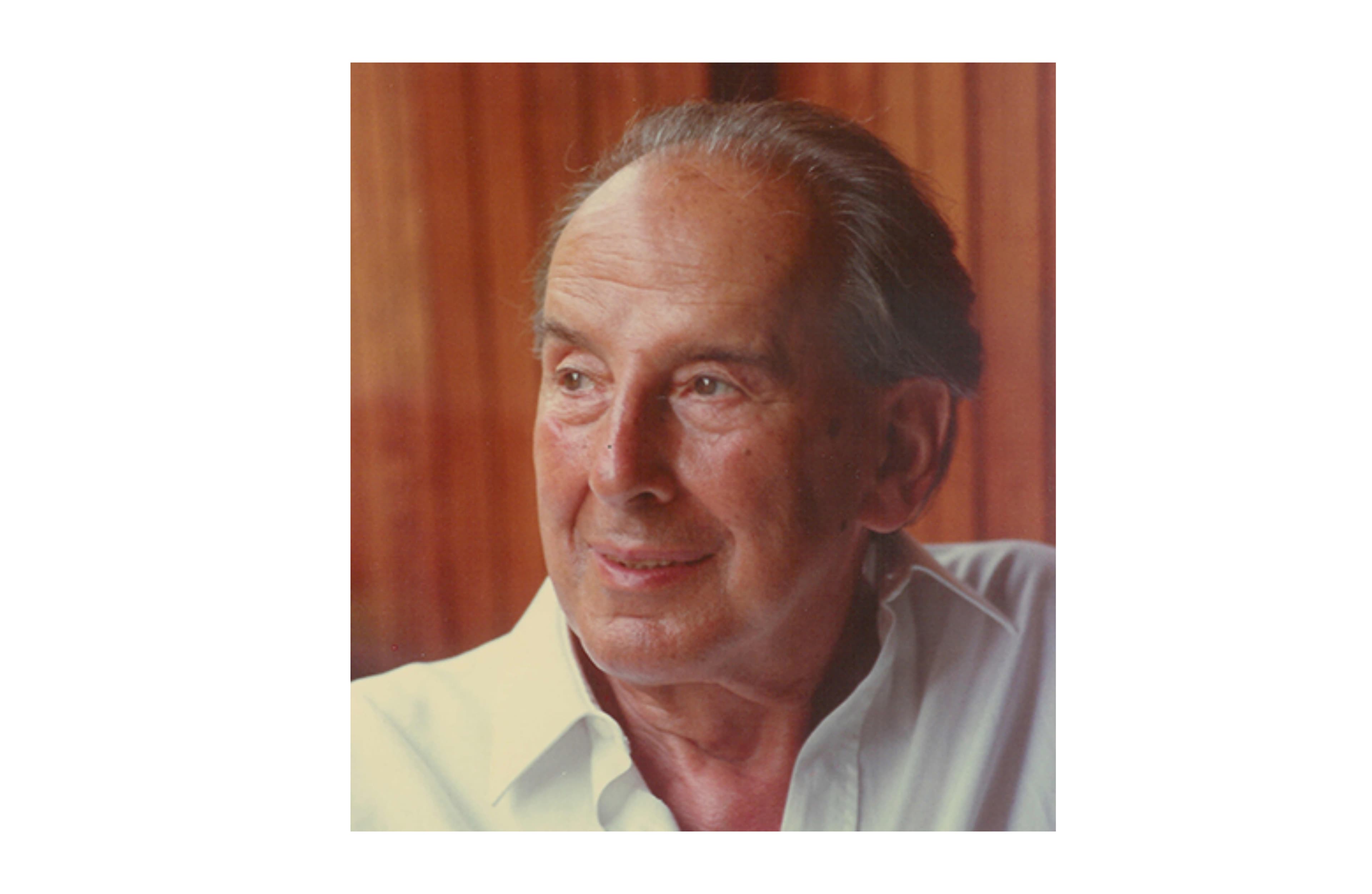
Angelo Dalle Molle believed that science and technology should improve people’s lives and serve humanity. His aim was to improve communication, mobility, and the environment, thereby contributing to a comprehensive enrichment of human life and society. He envisioned technology as a means of helping people engage in more meaningful activities while freeing them from purely practical tasks.
Dalle Molle believed that researchers played a fundamental role in achieving this vision. He viewed researchers not only as experts in their respective fields, but also as generalists dedicated to improving people’s lives and addressing broader societal challenges. His vision went beyond scientific advancement: it was about building a community of like-minded individuals committed to improving lives while maintaining an open and broad-minded perspective.
Inspired by these principles, the Dalle Molle Foundation was established to advance scientific knowledge, with a particular focus on the then-emerging field of artificial intelligence (AI).
Turning Vision Into Reality
Turning Vision Into Reality
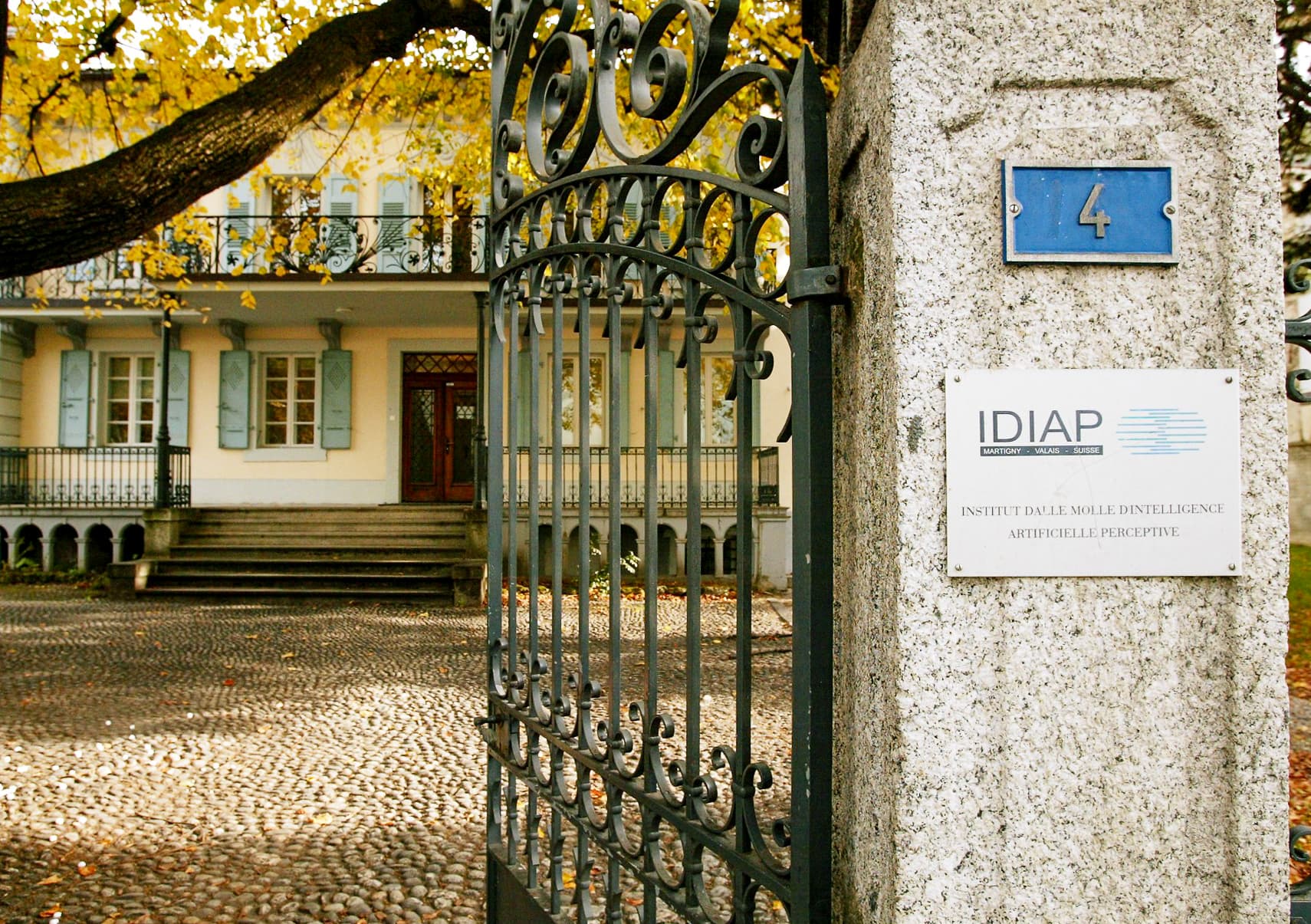
The collaboration between the Dalle Molle Foundation and Relation Valais-Université eventually led to the founding of the Institut Dalle Molle d’Intelligence Artificielle Perceptive (“IDIAP”) in 1991. Idiap was established at the Villa Tissières in Martigny, where it began developing the research activities that would shape its identity over the following decades. Its tagline, “Artificial Intelligence for Society,” reflects Angelo Dalle Molle’s vision, which continues to guide the institute’s activities today. Although “IDIAP” is now commonly referred to as Idiap Research Institute (Idiap), the institute remains firmly connected to its historical roots.
Five years after its establishment, in 1996, Idiap acquired the status of an independent foundation, strengthening its institutional autonomy. The year after, the institute celebrated its first PhD graduation, an important milestone in establishing its role in advanced scientific training.
Building the Tools of Tomorrow

Building the Tools of Tomorrow
The beginning of the 2000s marked a period of significant expansion. In 2001, Idiap created IdeArk, a structure dedicated to transferring research results and technologies developed at the institute.
In 2002, Idiap researchers developed Torch, an open-source scientific computing framework that would become an important precursor to PyTorch. The same year, the institute gained further international visibility through its work on advanced speech and audio analysis, including the analysis of recordings of Osama bin Laden using speech technologies.
Expanding Horizons
Expanding Horizons
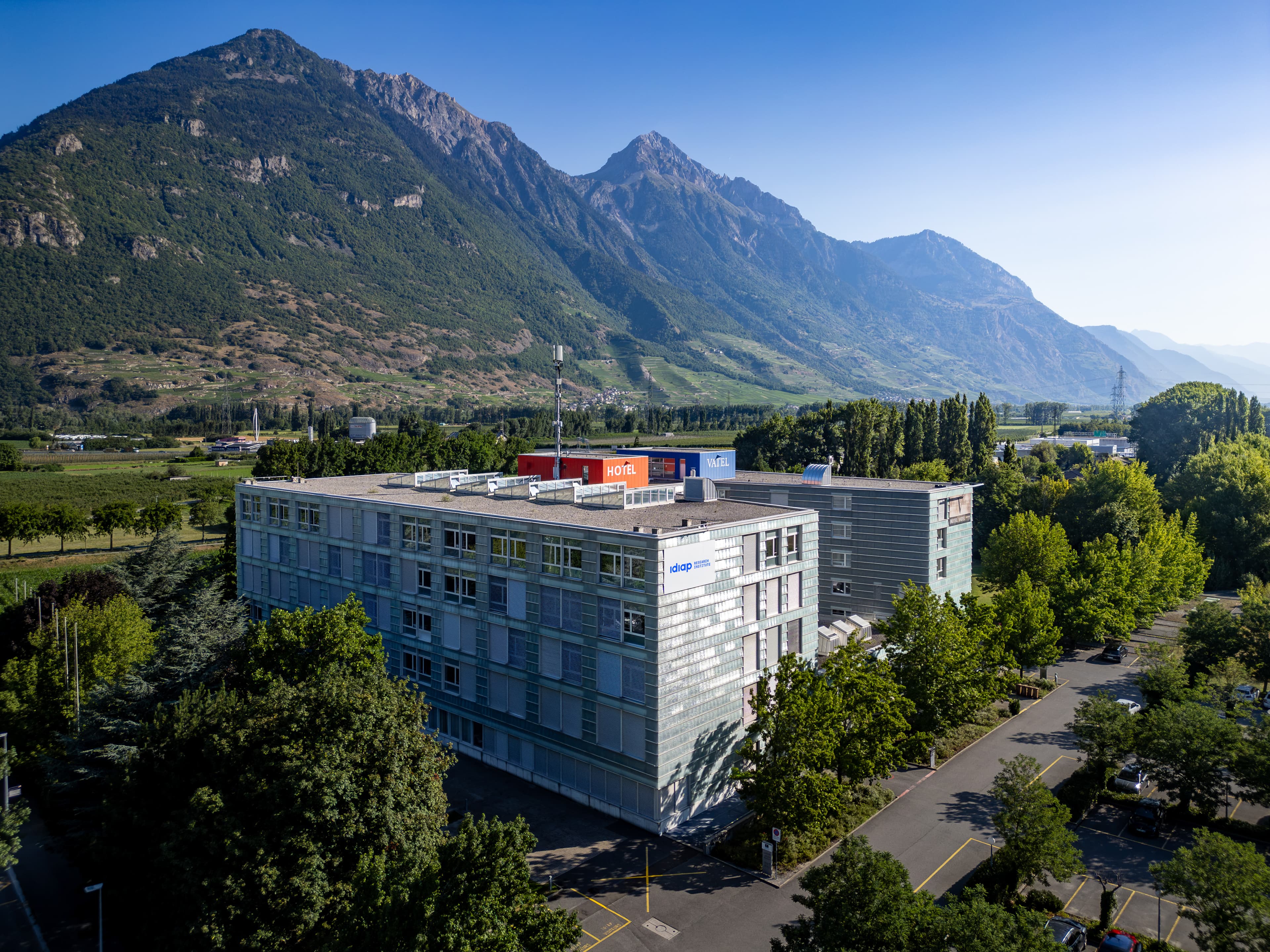
In 2007, the Institute entered a new phase of physical and organisational growth. It moved from the Villa Tissières to the Centre du Parc in Martigny, providing additional space for its expanding research community. That same year, Klewel, Idiap's first spin-off company, was created, marking an important step in translating research developed at the institute into entrepreneurial ventures.
In 2009, Idiap strengthened its academic links with EPFL by affiliating with the EPFL EDEE doctoral school. Moreover, this alliance enabled Idiap researchers to obtain academic titles and further integrated the institute's research and training activities into the Swiss academic landscape.
The institute also began placing greater emphasis on public engagement. In 2010, Idiap organised its first public outreach event and highlighted the importance of promoting women in science. The following year, in 2011, Idiap hosted the first edition of the Idiap Create Challenge (ICC), formerly known as the International Create Challenge, a nine-day hackathon designed to foster AI entrepreneurship.
A Thriving Community Today
A Thriving Community Today
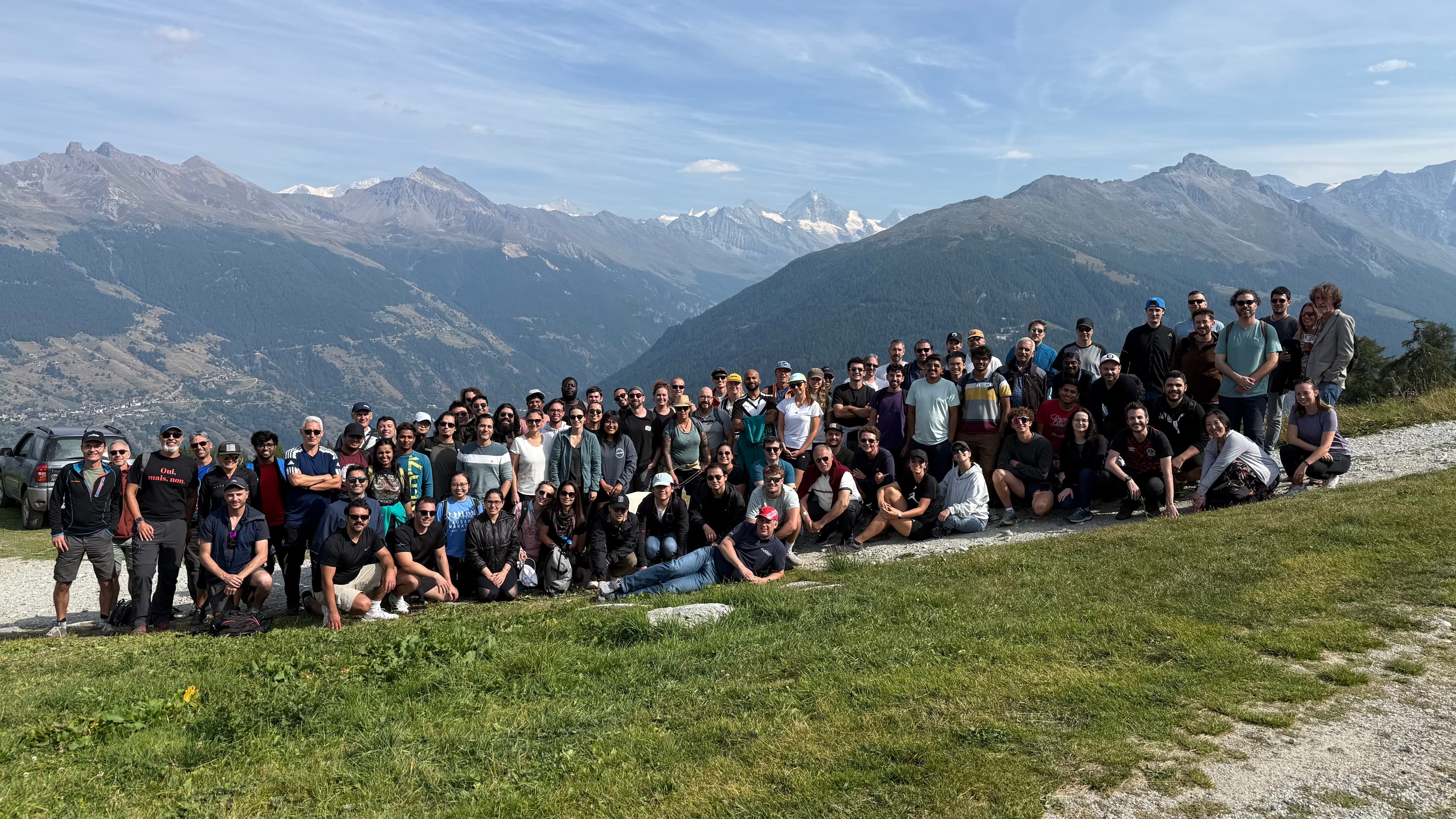
As the years passed, Idiap grew steadily, laying the foundations for the AI boom that followed. From an institute of just ten people, it had grown to more than 100 employees by 2017, strengthening its three core missions: research, education, and innovation.
Today, with more than 180 employees, 17 research groups, a strong R&D team, and dedicated administrative services, Idiap continues to evolve and expand, guided by a consistent principle: Artificial Intelligence for Society.